Step 5: Apply the Topcoat. Topcoat is the last step. You may need to apply several layers of coverage depending on your desired thickness.
With ongoing new technology developments and product claims, we undertake research and destruct testing regularly, to ensure our team stays up to date, and we continue to bring only the best quality of designs and finishes to our customers.
Protects you, your family, friends, customers, staff and visitors from slips and falls. We add appropriate quantities and grit sizes of slip resistance to each indoor or external area, taking into consideration wet areas and the way the area is used.
Epoxy flooring not only lasts, but is also very easy to clean. Because of its seamless texture, epoxy flooring resists dirt and dust particles. You only need a mop to wipe it down. Epoxy flooring is the perfect choice for companies that are looking to provide a clean environment and not spend a lot.
The installation is another key difference between epoxy flooring and other options. Epoxy flooring requires more preparation than traditional options. The epoxy base coat is applied to the surface and then topped off with an epoxy topcoat. This will increase durability and resistance. Although this can be a time-consuming process, it results in a seamless surface that is easy to maintain and clean.
Epoxy flooring is a popular choice for many commercial and industrial spaces, as well as homes due to its durability and resistance to wear and tear. But how exactly is epoxy flooring installed, and what is the process like? In this article, we'll take an in-depth look at the installation procedure.
Remember that these costs are estimates and may vary depending on the individual. It is best to contact a local epoxy flooring professional to receive an exact quote.
You can also use a cloth or mop with mild detergent to remove stubborn stains and spillages. Do not use harsh chemicals, abrasives or other harmful substances as they can harm epoxy and make it dull.
If you are looking to renovate your living or commercial space, it is essential that the floor material can withstand everyday wear and tear and will not need too much maintenance. Epoxy flooring can be a great alternative to your existing flooring.
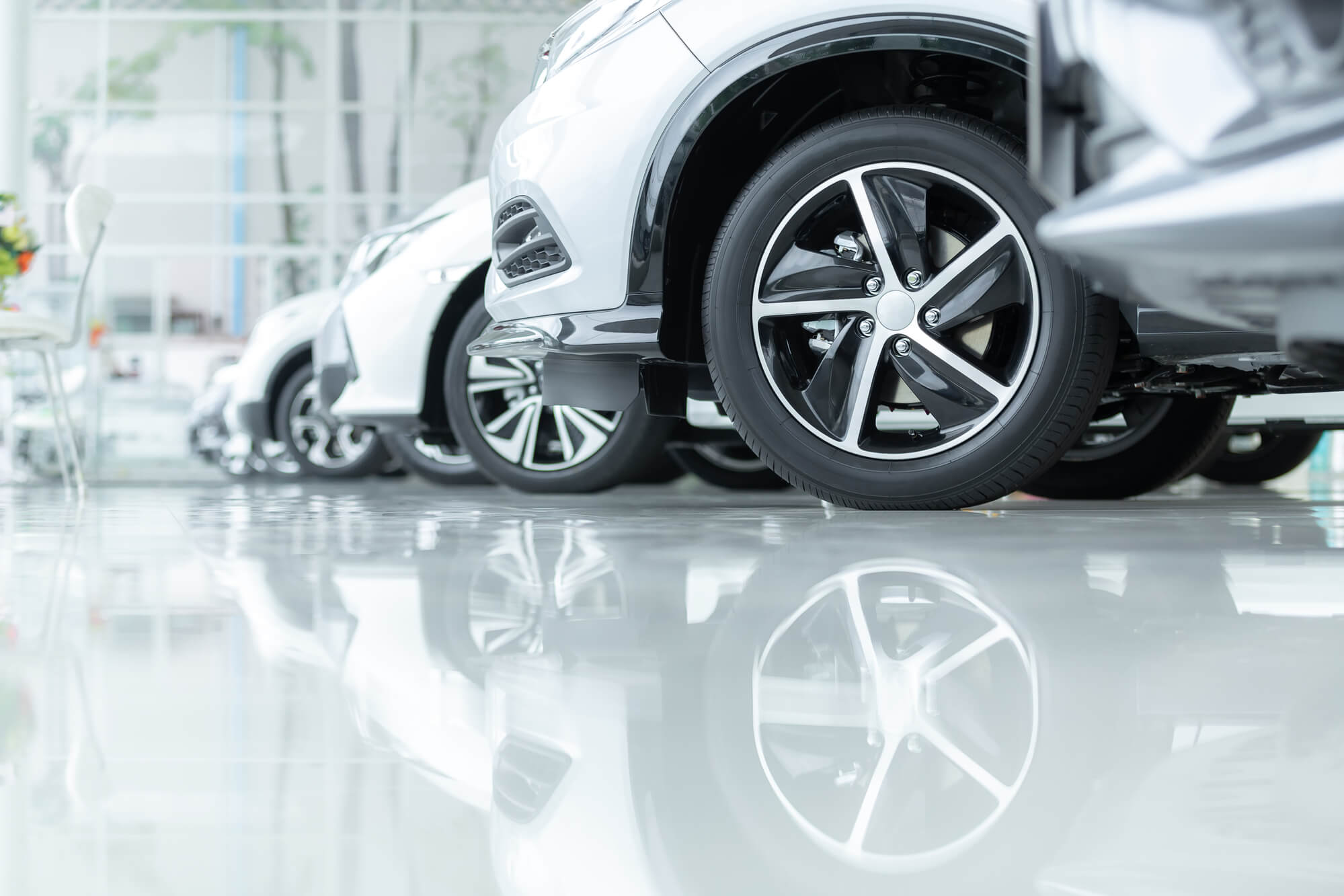
You can install epoxy flooring on your own, however it is best to get help from a professional. The professionals are skilled and experienced in installing epoxy flooring efficiently and successfully, which will help you avoid costly errors down the line.
Epoxy flooring can be an attractive, strong option to traditional floor options. Because epoxy flooring can be customized and is resistant to any damage, it's a great choice in commercial or industrial environments. Even though installation takes longer, you'll be able to enjoy a stunning, long-lasting finish that's simple to maintain.
It is easy to maintain epoxy floors. To maintain epoxy floors, you only need to sweep away dirt and debris. Then use mild detergent with warm water to mop as necessary.
The flooring in commercial kitchens should be easy-to-clean, slip resistant and easily maintainable. Epoxy flooring is a nonporous option that can withstand extremely high temperatures. Because epoxy flooring can withstand high temperatures and is easy to clean/ disinfect, hospitals and healthcare centers often use it. Its seamless surface prevents dirt accumulation and helps avoid bacteria growth.
Epoxy flooring has grown increasingly popular over time due to its durability and resistance to various chemicals and heavy traffic, making it a great option for commercial, industrial, and residential settings alike.
Epoxy is now a common flooring material. It has many benefits that can increase your resale price. Why? You can get it to last for many years if you use superior flooring products.
Maintaining your epoxy flooring requires that you avoid dragging heavy objects across it. Although epoxy is durable, it can still be scratched or damaged by heavy objects. Furniture pads or mats are an effective way to protect the surface from scratches and scuffs.
You should also remember to check for errors during the installation. Failure to adhere properly can cause cracking, peeling, and/or discoloration of your floor. These costly repairs may be necessary or even the need for a complete re-installation.
You should consider the area that epoxy flooring will be covering when you choose it for your home. A larger area will typically cost more because of the economies involved, but smaller areas may provide better value.
Epoxy flooring can be attractive and durable and has many benefits, both for residential and commercial environments. Epoxy flooring has a major advantage: it is resistant to chemicals and scratches. This makes it suitable for places like garages, factories, warehouses, etc.
Step 2: Priming the Surface. After prepping the surface, applying primer helps seal it and create a base for epoxy adhesion. Allow this primer to dry for several hours before proceeding with the next step.
You can customize epoxy flooring in many different ways. An easy way to customize epoxy flooring is to color it before applying to the floors. You have the option of choosing from vibrant and bright colors or subtler neutral tones.